Job Sites That Stay Clean and Safe
Construction Debris Removal in Berwick for remodeling, demolition, roofing, and new construction projects
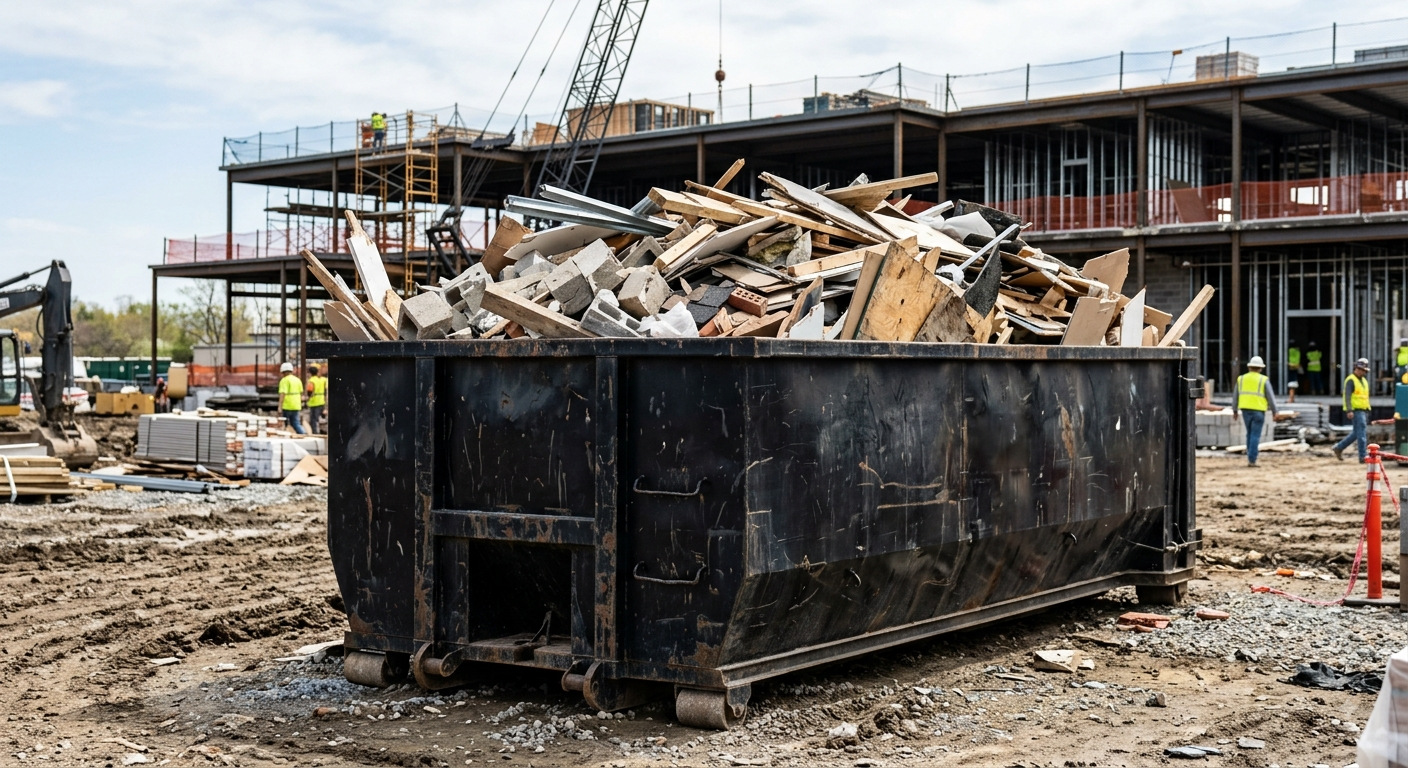
Job sites generate debris at every phase—demolition creates piles of old drywall and framing lumber, roofing tear-offs leave shingle debris scattered across the property, and finish work produces scraps of flooring and trim that accumulate faster than crews can bag them. Anchor Hauling & Disposal LLC removes construction and demolition debris from residential and commercial sites in Berwick, Portsmouth, Rochester, and surrounding areas, hauling wood, drywall, flooring materials, concrete, roofing debris, and general construction waste so contractors maintain the clean, organized workspace that keeps projects on schedule and reduces safety hazards.
Construction debris removal supports project timelines by clearing materials before they obstruct the next phase of work, which matters when flooring installers need clean subfloors or when final inspections require debris-free spaces. The service coordinates with contractor schedules so hauling happens when it's needed most—after demo day, mid-project when staging areas fill up, or at completion before final walkthroughs.
Request a debris removal estimate based on your project scope and material types.
Why Debris Removal Timing Affects Project Flow
Hauling services scheduled at key project milestones prevent the cascading delays that happen when debris piles block material deliveries, limit workspace for incoming trades, or force crews to spend billable hours moving waste instead of completing installations. Experienced debris removal accounts for the difference between light framing scraps that load quickly and concrete rubble that requires specialized handling, matching truck capacity and crew size to the actual waste stream rather than forcing contractors into multiple small trips.
After debris removal, job sites regain usable square footage with clear pathways for equipment and materials, staging areas that can support the next phase of work, and reduced tripping hazards that keep both workers and inspectors focused on progress rather than cleanup. Contractors notice fewer conflicts between trades competing for limited space and less time wasted moving piles from one corner to another as the project evolves.
Responsive service means changes to the hauling schedule happen when project timelines shift due to weather, permitting delays, or material availability, which prevents contractors from paying for unused dumpster rentals or scrambling for last-minute debris solutions when work accelerates unexpectedly. Reliable project coordination includes confirming arrival windows and adjusting pickup timing based on actual site conditions rather than rigid schedules that don't account for construction realities.
Common Questions About Construction Hauling
Contractors and property owners managing renovation or new construction work often ask about material handling, scheduling flexibility, and how debris removal integrates with project timelines.
What types of construction materials get hauled away?
The service handles wood framing and trim scraps, drywall offcuts and demo debris, flooring remnants, roofing shingles and underlayment, concrete and masonry rubble where appropriate, and general construction waste, with separation for recyclable materials when volume justifies dedicated handling.
How does scheduling work for multi-phase projects?
Hauling appointments coordinate with your construction timeline so debris clears after demolition wraps, mid-project when staging areas fill, and at completion before final inspections, with flexible rescheduling when weather or permitting issues shift the work sequence.
Can debris removal happen while crews are still working on site?
Hauling occurs during active construction as long as safe access exists to debris piles and staging areas, which allows ongoing projects to maintain clean workspaces without halting progress for a full-day cleanup.
What's not included in standard construction debris hauling?
Hazardous materials like asbestos siding or lead paint waste require specialized disposal through licensed contractors, and extremely heavy items like full concrete slabs may need equipment beyond standard hauling trucks depending on thickness and reinforcement.
How quickly can debris removal happen for rush projects in Berwick?
Same-week or next-day hauling becomes available when scheduling allows, which helps contractors managing compressed timelines or unexpected inspection requirements that demand immediate site cleanup.
Anchor Hauling & Disposal LLC supports contractors and property owners keeping construction sites safe, organized, and ready for the next trade. Contact the team to arrange dependable debris removal that matches your project needs.